Table of Contents
Energy Management Beats Time Management: Fueling Your Divine Engine
We’ve been sold a lie. For decades, productivity experts have told us that time management is the key to success. But here’s the revolutionary truth that will transform your life: Energy management beats time management every single time. Time is finite—you get 24 hours, and that’s it. But energy? Energy is renewable, sustainable, and when properly managed, virtually unlimited.

The Divine Foundation of Energy
The prophet Isaiah understood this principle when he wrote, “But those who wait upon the LORD will renew their strength; they will mount up with wings like eagles; they will run and not grow weary, they will walk and not faint” (Isaiah 40:31). Notice the promise isn’t about getting more time—it’s about renewed strength, sustained energy, and supernatural endurance.
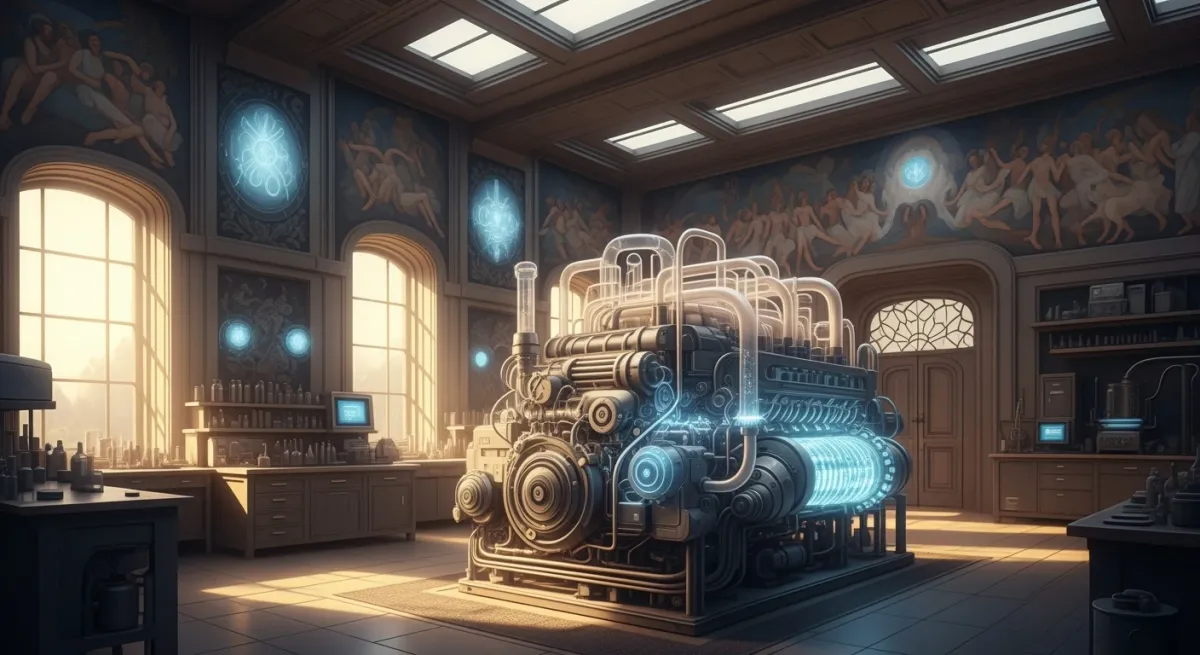
God designed you as an energy engine, not a time machine. Your body, mind, and spirit operate on energy cycles, not time schedules. When you align with these divine rhythms, you don’t just manage your day—you multiply your impact.
The Time Trap vs. The Energy Engine
The Time Management Trap
Traditional time management focuses on:
- Cramming more into less time
- Working harder, not smarter
- Measuring success by hours worked
- Ignoring natural energy rhythms
- Treating all hours as equal
The Energy Engine Approach
Energy management recognizes that:
- Quality beats quantity in every endeavor
- Peak energy produces peak results
- Rest is productive, not lazy
- Different tasks require different energy types
- Renewal is a strategy, not a luxury
The Four Pillars of Energy Management
1. Physical Energy: Your Foundation
Your body is the temple of the Holy Spirit, and it’s also your energy powerhouse. Physical energy affects everything else—your mental clarity, emotional stability, and spiritual sensitivity.
Energy Builders:
- Quality sleep (7-9 hours)
- Nutritious food as fuel
- Regular movement and exercise
- Proper hydration
- Strategic rest breaks
Energy Drains:
- Poor sleep habits
- Processed foods and sugar crashes
- Sedentary lifestyle
- Dehydration
- Overcommitment without recovery
2. Mental Energy: Your Processing Power
Your mind has limited processing capacity each day. Use it wisely on what matters most.
Energy Builders:
- Deep work during peak hours
- Learning and growth activities
- Creative pursuits
- Problem-solving challenges
- Meaningful conversations
Energy Drains:
- Multitasking and context switching
- Information overload
- Negative news consumption
- Unfinished tasks (mental loops)
- Decision fatigue
3. Emotional Energy: Your Heart Power
Emotions are energy in motion. Positive emotions fuel you; negative emotions drain you.
Energy Builders:
- Gratitude practices
- Meaningful relationships
- Acts of service
- Celebration and joy
- Forgiveness and release
Energy Drains:
- Toxic relationships
- Unresolved conflicts
- Comparison and envy
- Worry and anxiety
- Holding grudges
4. Spiritual Energy: Your Divine Connection
This is your ultimate energy source—the renewable power that comes from your relationship with God.
Energy Builders:
- Prayer and meditation
- Scripture reading
- Worship and praise
- Serving others
- Walking in purpose
Energy Drains:
- Guilt and shame
- Living out of alignment with values
- Spiritual neglect
- Purposelessness
- Unforgiveness
The ENGINE Framework
E - Evaluate Your Energy Patterns
Track your energy levels throughout the day for one week. When do you feel most energized? When do you crash? What activities give you energy vs. drain you?
N - Nurture Your Energy Sources
Invest in the four pillars daily. Treat energy management like a spiritual discipline—because it is.
G - Guard Your Energy Boundaries
Learn to say no to energy drains and yes to energy gains. Protect your peak energy times for your most important work.
I - Integrate Renewal Rhythms
Build rest, recovery, and renewal into your daily, weekly, and seasonal rhythms. This isn’t optional—it’s essential.
N - Navigate Energy Transitions
Plan transitions between high-energy and low-energy activities. Use rituals to shift between different types of energy demands.
E - Expand Your Energy Capacity
Gradually increase your energy capacity through consistent practices, just like building physical fitness.
Breaking Through Energy Barriers
The Guilt Barrier
“I should be working more, not resting more.” Truth: Rest is productive. God rested on the seventh day not because He was tired, but to model the rhythm of renewal.
The Comparison Barrier
“Others work 80-hour weeks and succeed.” Truth: Sustainable success comes from energy optimization, not time maximization.
The Urgency Barrier
“Everything is urgent and important.” Truth: When everything is urgent, nothing is. Energy management helps you discern true priorities.
The Perfectionism Barrier
“I must optimize everything perfectly.” Truth: Progress beats perfection. Small energy improvements compound over time.
Daily Practices for Energy Optimization
Morning Energy Activation
- Spiritual Connection (10 minutes): Prayer, gratitude, scripture
- Physical Activation (10 minutes): Movement, stretching, deep breathing
- Mental Preparation (5 minutes): Review priorities, set intentions
- Emotional Alignment (5 minutes): Positive affirmations, joy practice
Peak Energy Protection
- Schedule your most important work during your natural energy peaks
- Batch similar tasks to minimize context switching
- Use the Pomodoro Technique for sustained focus
- Eliminate distractions during high-energy periods
Energy Transition Rituals
- 5-minute breathing exercises between meetings
- Walk breaks to shift from mental to physical energy
- Music to transition emotional states
- Brief prayers to reconnect spiritually
Evening Energy Recovery
- Reflection (5 minutes): What gave you energy today? What drained it?
- Gratitude (5 minutes): Three things you’re thankful for
- Preparation (10 minutes): Set up tomorrow for energy success
- Rest Ritual (15 minutes): Activities that signal your body to wind down
The Multiplication Effect of Energy Management
When you master energy management, something supernatural happens:
- Your productivity multiplies without working more hours
- Your creativity explodes because you’re operating from fullness, not depletion
- Your relationships improve because you bring your best self to interactions
- Your health optimizes because you’re working with your body, not against it
- Your spiritual life deepens because you have energy for what matters most
- Your impact expands because sustainable energy creates sustainable results
The Energy Laboratory: 30-Day Power Management Challenge
Week 1: Assessment and Awareness
- Track your energy patterns daily
- Identify your top 3 energy drains and top 3 energy sources
- Establish baseline measurements
Week 2: Physical and Mental Optimization
- Implement sleep hygiene practices
- Optimize nutrition for sustained energy
- Protect your peak mental energy hours
Week 3: Emotional and Spiritual Alignment
- Practice daily gratitude and joy
- Eliminate or minimize toxic energy drains
- Strengthen your spiritual energy practices
Week 4: Integration and Expansion
- Combine all four energy types into daily rhythms
- Plan weekly and monthly energy renewal
- Set systems for long-term energy sustainability
The Spiritual Dimension of Energy
Energy management isn’t just a productivity hack—it’s a spiritual discipline. When you steward your energy well, you’re honoring the body, mind, and spirit God gave you. You’re positioning yourself to serve others from overflow, not depletion.
Jesus modeled perfect energy management. He withdrew to pray (spiritual energy), walked everywhere (physical energy), taught with clarity (mental energy), and loved deeply (emotional energy). He knew when to engage and when to retreat, when to serve and when to rest.
Your Energy Revolution Starts Now
The industrial age taught us to work like machines—constant, mechanical, without regard for natural rhythms. But you’re not a machine; you’re a divine creation with renewable energy sources that, when properly managed, can sustain you for a lifetime of impact.
Stop trying to manage time and start managing energy. Stop working harder and start working from your strengths. Stop depleting yourself and start renewing yourself.
Your energy is your most precious resource. Invest it wisely, protect it fiercely, and renew it consistently. When you do, you’ll discover that you don’t need more time—you need better energy.
The world needs what you have to offer, but it needs you operating from fullness, not emptiness. It needs your energy engine running at optimal capacity, not sputtering on fumes.
Today, make the shift from time management to energy management. Your future self—and everyone whose life you’ll touch—will thank you for it.
[Engine Your Energy]



Share Your Thoughts
Join the conversation! Share your insights, ask questions, or discuss how this content has impacted your faith journey.
Prefer Email?
You can also reach out to us directly via email for private discussions or feedback.
Community Guidelines
Our Comment Policy
Note: Comments are powered by GitHub and require a GitHub account. This helps maintain quality discussions and reduces spam.